How to Prepare Your House for a Survey

How to Prepare Your House for a Survey

Key summary

  • Good access and visibility are essential for providing a thorough survey. 
  • Clearing clutter, unlocking key areas and providing safe loft access helps your surveyor work thoroughly. 
  • You do not need the house to be show-home level clean, but the property should be tidy enough for a careful inspection. 
  • Older, altered or complex properties benefit most from a Level 3 building survey. 
  • Simple preparation can lead to a clearer report and fewer unknowns for buyers and sellers.
How to Prepare Your House for a Level 3 Survey

Understanding what happens during a survey

A Level 3 building survey is the most comprehensive inspection we offer. It is designed for properties where there is a higher risk of hidden problems, such as older homes, houses that have been extended or buildings constructed using traditional or unusual methods.

During the inspection, the surveyor will spend more time at the property than they would for a Level 2 homebuyer survey. They will move systematically around the outside and inside of the home, assessing the structure, finishes and services wherever it is safe and reasonable to do so. The aim is to provide a detailed, balanced, survey report that explains the condition of the property, highlights defects and sets out recommendations for repair and future maintenance.

Why preparing your home makes the survey more effective

Surveyors work to professional standards set by the Royal Institution of Chartered Surveyors. They are required to record where access is restricted and where elements could not be inspected. If important areas are blocked by stored items, locked doors or safety risks, the report may contain more caveats and fewer firm conclusions.

Good preparation can:

  • Reduce the amount of time the surveyor needs on site.
  • Allow a clearer view of walls, floors, ceilings and services.
  • Limit the number of “not inspected” notes in the report.
  • Help the surveyor identify potential defects at an earlier stage.
  • Provide the buyer with greater confidence in the findings.

If you would like to see how RICS describes the different survey levels, you can read the official RICS home survey guidance. It explains when a Level 3 building survey is usually recommended.

Practical steps to prepare your house for a Level 3 survey

1. Make sure all key areas are accessible

One of the most helpful things you can do is to provide clear, safe access to the main areas your surveyor needs to see. Before the appointment, check that the following are easy to reach and not blocked by stored items:

  • Loft hatch and area below it.
  • Under stair cupboards and meter cupboards.
  • Boiler and hot water cylinder cupboards.
  • Electrical consumer unit.
  • Any cellars, basements or subfloor access panels.
  • Permanent outbuildings such as garages or garden rooms.

Surveyors will not usually move heavy furniture or force access to locked rooms. If important areas are obstructed, this will limit the level of comment they can give in the report.

2. Clear clutter away from walls and skirting boards

A survey looks carefully for signs of damp, movement and other defects. These are often visible first around skirting boards, corners and junctions between floors and walls. Try to move freestanding items such as stacked boxes, laundry baskets and small pieces of furniture so that at least some sections of each wall can be seen clearly.

3. Provide safe ladder access to the loft

The loft is one of the most important areas in a structural inspection, particularly in older properties. It allows the surveyor to review roof timbers, insulation and ventilation. To prepare:

  • Clear the space directly under the loft hatch so there is room for a ladder.
  • Check that the hatch can be opened fully without snagging on doors or light fittings.
  • Ensure the loft is not overfilled to the point where it is unsafe to enter.
  • If there is no fixed loft ladder, confirm there is a safe place to rest a portable one.

If the loft cannot be entered safely, the surveyor may only be able to comment on the roof from the outside, which reduces the level of detail in the report.

4. Unlock outbuildings and external areas

A Level 3 building survey includes permanent outbuildings and attached structures where they form part of the overall property. Before the survey, unlock garages, workshops and garden rooms, and make sure pathways around the house are reasonably clear. This helps the surveyor check foundations, external walls and drainage features properly.

For properties with larger gardens, it is useful to mention any historic retaining walls, wells or other features that may not be obvious at first glance.

5. Ensure doors and windows can be opened

Surveyors will usually test a sample of windows and doors to assess condition and ventilation. If some are painted shut, swollen or difficult to open, try to free them up in advance or leave a short note explaining the situation. This will help ensure that limitations recorded in the report are fair and accurate.

6. Secure pets and plan who will be home

Pets can be unsettled by a stranger moving from room to room, opening cupboards and climbing into the loft. For everyone’s safety, it is best to keep animals in a contained area or away from the property for the duration of the visit. It also helps if either the owner or selling agent is available at the start of the inspection in case the surveyor has any initial questions.

How to Prepare Your House for a Level 3 Survey

Common questions about preparing for a Level 3 survey

Do I need to clean my house?

Surveyors are interested in the structure and condition of the property rather than how it is decorated. A basic tidy up, with floors clear of hazards and key areas accessible, is usually sufficient. 

Should I repair small defects before the survey?

If you are selling, you might be tempted to carry out cosmetic repairs shortly before the inspection. It is usually better to focus on safety and access rather than quick fixes. Freshly painted patches or new filler can sometimes make it harder to understand the history of a defect. If you have recently carried out repair work, leaving the paperwork out for the surveyor can be more helpful than trying to hide previous issues.

Will the surveyor look behind furniture?

Your surveyor will work around normal furnishings, but they will not usually move heavy items such as wardrobes, full bookcases or large sofas. If there are particular walls or areas you are worried about, try to move furniture away from these sections so they can be inspected more closely.

How to Prepare Your House for a Level 3 Survey

How a Level 3 survey helps buyers and sellers

A well prepared inspection leads to a more useful report. For buyers, a Level 3 survey can highlight urgent issues, long term maintenance needs and potential structural risks. For sellers, it can provide a clear picture of the property condition before marketing or ahead of exchange, reducing the chance of last minute surprises.

Skylark Surveyors provide both Level 2 homebuyer surveys and Level 3 building surveys. Our role is to give clear, practical advice so that clients can make informed decisions about each property. If you are unsure which survey level you need, our team is happy to talk through your plans and the type of home involved.

For a broader overview of the buying and selling process, the Government’s guide to buying or selling your home is a useful companion to your survey report.

If you would like to arrange a Level 3 building survey or discuss how best to prepare your house, you can contact our team for tailored advice.

Frequently asked questions

What happens at a house survey?

The surveyor carries out a detailed inspection of the structure, finishes and services wherever it is safe and reasonable to do so. They look for defects, assess risks and then provide a written report explaining their findings and recommendations.

What should I do before a house survey?

Ensure key areas such as the loft, boiler cupboard, meter cupboard and outbuildings are accessible, clear obvious clutter away from walls and skirting boards, and secure pets so the surveyor can move freely around the property.

Does a Level 2 or a Level 3 survey check damp?

Yes. A Level 2 homebuyer survey or a Level 3 building survey includes checks for damp using visual signs and basic instruments where appropriate. The report will comment on the likely causes, extent and implications of any damp that is identified.

Do I need to move furniture before a survey?

You do not need to empty rooms, but it is helpful to move smaller items away from walls and areas where you know there may be cracks, staining or other concerns. Surveyors will not usually move heavy furniture.

How clean and tidy should my house be for a survey?

The property should be tidy enough for the surveyor to walk around safely and see the main surfaces they need to inspect. Everyday lived in conditions are fine, as long as key areas are not obstructed.
What Is the Difference Between a Level 2 and Level 3 Survey?

What Is the Difference Between a Level 2 and Level 3 Survey?

Key summary

  • A Level 2 survey is usually suitable for relatively modern properties, of standard construction, and which are in reasonable condition.
  • A Level 3 survey is our most detailed service and is recommended for older, extended or complex properties.
  • The Level 2 report covers the essential elements, but is a little more brief in its explanation of remedies to defects and maintenance advice.
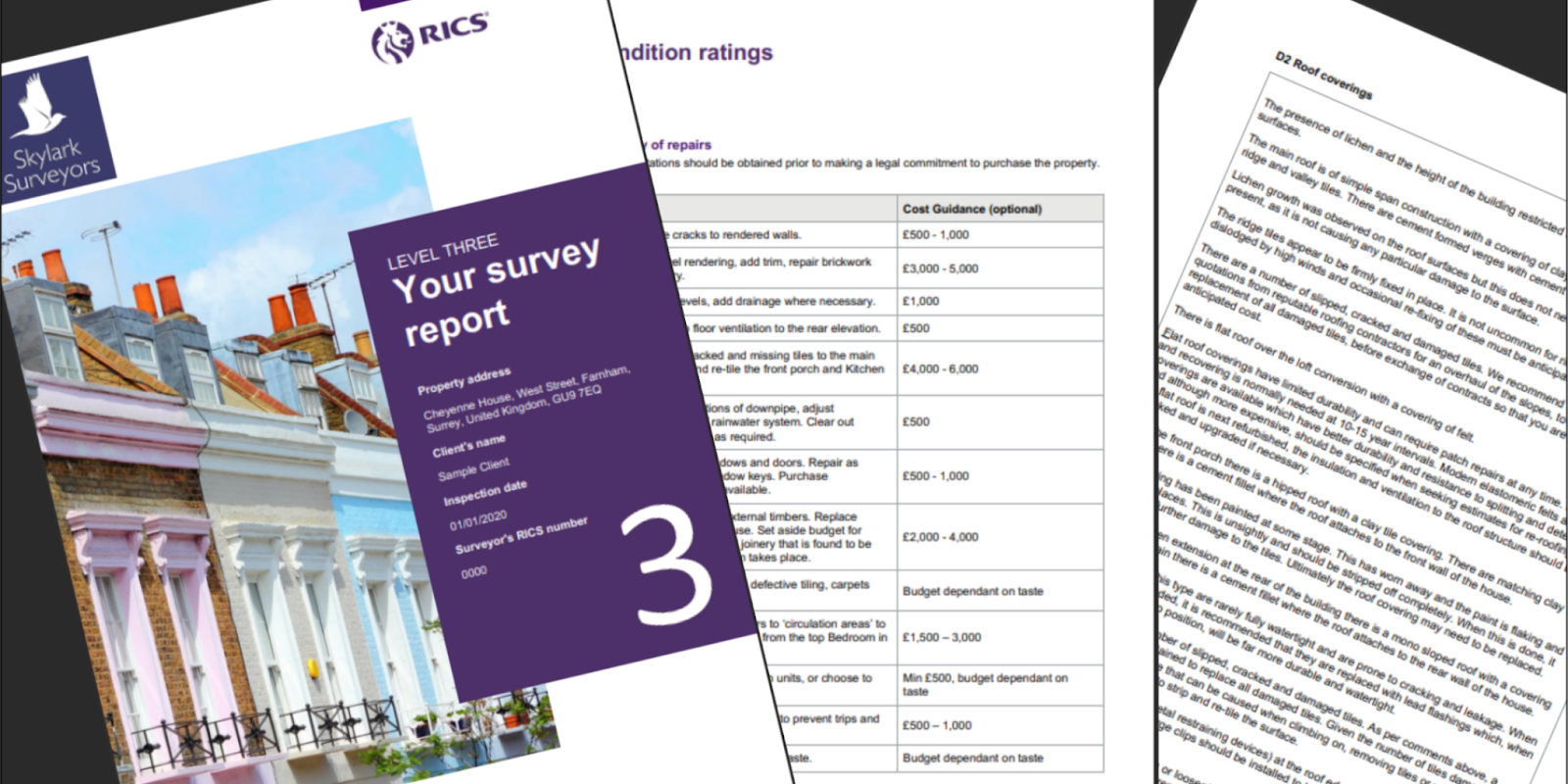
  • The Level 3 survey report provides additional advice about energy efficiency, maintenance of the property in future, and perhaps most useful is a costed summary detailing budget costs for the major repairs required to the building.
  • The right choice depends on the age, condition and risk profile of the property you are buying. We would be happy to advise in this regard if you would like an impartial conversation about the property you are looking to purchase. 

What Is the Difference Between a Level 2 and Level 3 Survey?

Understanding the difference between a Level 2 and Level 3 survey

When you are buying a property, choosing the right survey is one of the most important decisions you will make. Many home buyers have heard the terms Level 2 and Level 3 survey but are not sure how they differ or which one is appropriate for their situation.

At Skylark Surveyors, we work with buyers across West Surrey, East Hampshire and Berkshire who want clear, straightforward advice before they commit to a purchase. Our role as independent RICS surveyors is to explain the options in plain English so you can match the survey level to the type of home you are buying.

This guide explains what each survey involves, how the reports differ and how a level 2 and level 3 survey can protect you from unexpected costs later on.

What is a Level 2 survey?

A Level 2 survey, often called a homebuyer survey, is designed for properties that are relatively modern, of standard construction and appear to be in reasonable condition. It provides a balanced report on the condition of the property, and highlights issues which may affect value or require attention, without going into the depth reserved for older or more complex homes.

What a Level 2 house survey typically includes

During a Level 2 house survey, your surveyor will carry out a visual inspection of all reasonably accessible parts of the property. The report usually includes:

  • An assessment of the general condition of the property inside and out.
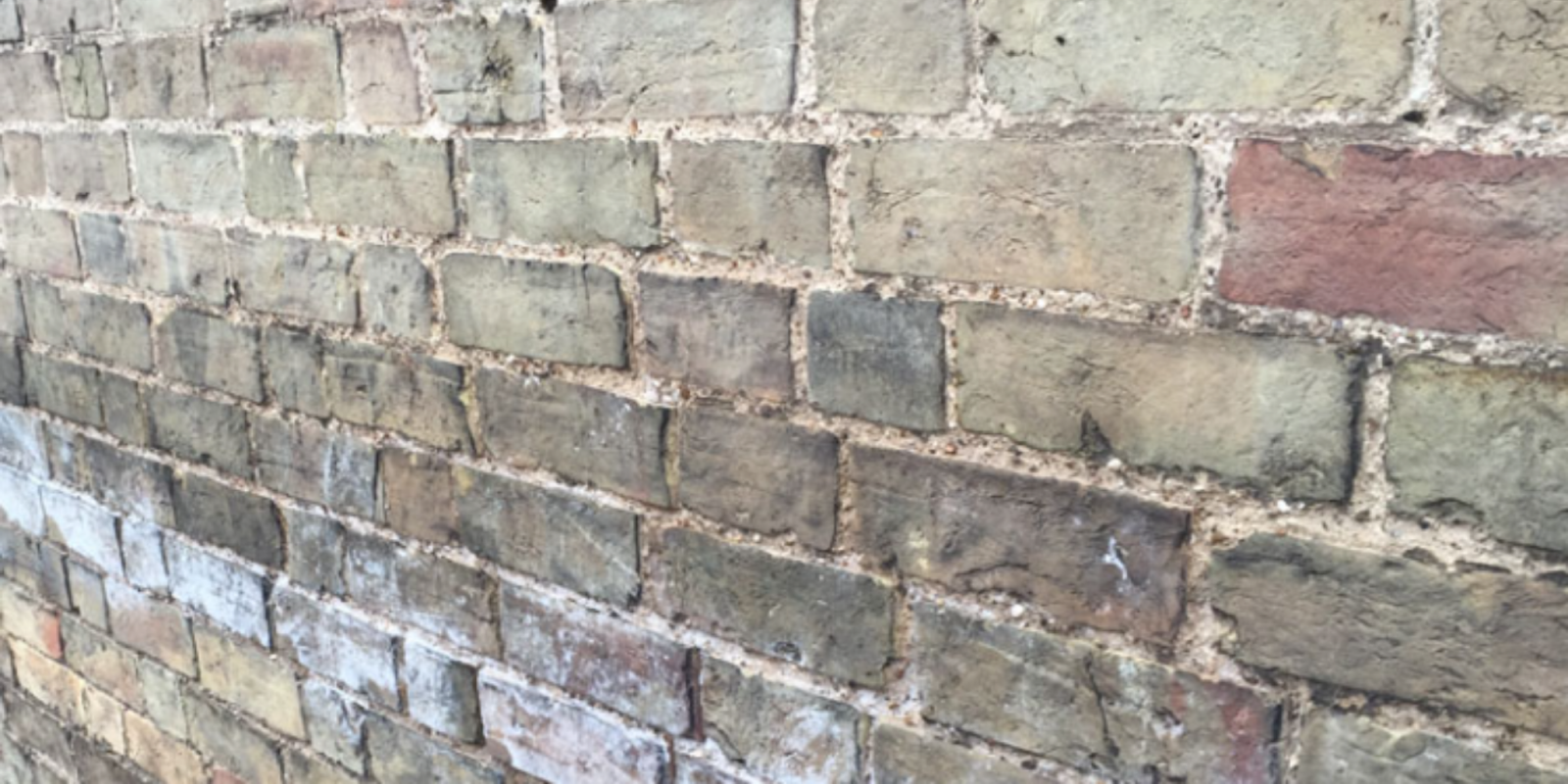
  • Identification of visible defects such as cracks, damaged roof coverings or failed render.
  • Comments on damp, insulation and ventilation where these can be assessed without opening up the structure.
  • A visual overview of services such as electrics, heating, plumbing and drainage.
  • A colour coded condition rating system so that urgent items are easy to spot.
  • A straightforward summary of the main risks and recommendations.

The inspection is non intrusive. The surveyor will not lift up floorboards, move heavy furniture or open up walls, so there are limits to what can be seen. For modern, straightforward homes, however, a Level 2 homebuyer survey usually provides enough reassurance to proceed with confidence.

If you are considering this type of report, you can find more detail on our dedicated Level 2 homebuyer survey page.

What is a Level 3 survey?

A Level 3 survey, sometimes known as a building survey, is the most comprehensive service we offer. It is intended for older properties, homes that have been extended or altered, and buildings constructed using traditional or non standard methods.

When a Level 3 building survey is recommended

In our experience, a Level 3 building survey is usually the best choice when the property is:

  • An older or period home.
  • Showing signs of wear, movement, damp or deterioration.
  • Previously extended, reconfigured or extensively renovated.
  • Built using non standard construction methods or materials.
  • Being purchased with significant renovation or remodelling in mind.

What a Level 3 survey includes

A Level 3 survey contains everything that would be expected from a Level 2 inspection, but it goes into greater detail about each element. The surveyor will spend more time at the property and will inspect wherever it is safe and reasonable to do so. The report usually provides:

  • A detailed inspection of main walls, roofs, floors and foundations where visible, detailing any structural issues.
  • Assessment of the roof space and other concealed areas where access can be gained.
  • Investigation for any signs of building movement, such as cracking or distortion, together with likely causes.
  • Thorough checks for damp, timber decay, rot and possible insect attack.
  • Commentary on the construction materials used and how they are likely to perform in the long term.
  • Clear advice on necessary repairs, provided in a costed list, and advice on potential future maintenance.
  • Technical explanations set out in everyday language so that you can understand the implications.

The outcome is a thorough survey report that gives you a detailed picture of the property and helps you plan both immediate works and longer term maintenance.

For buyers considering older cottages, Victorian terraces, large detached properties or homes that have been significantly altered, a Level 3 building survey offers the most complete offering.

You can learn more about this service on our Level 3 building survey page.

What Is the Difference Between a Level 2 and Level 3 Survey?

Level 2 and Level 3 survey: key differences

The main differences between a Level 2 and Level 3 survey are outlined below:

1. Depth of inspection

A Level 2 survey focuses on visible and readily accessible areas. It is ideal for giving a clear overview of the condition of the property.

A Level 3 survey goes further, looking at the structure in more detail, exploring accessible voids and providing a deeper analysis of risks and defects.

2. Type of property

A Level 2 survey is usually suitable for modern houses and flats of standard construction where no major problems are expected.

A Level 3 survey is aimed at older, larger, altered, or complex buildings, where issues such as damp, movement or traditional construction methods may be present.

3. Reporting detail

A Level 2 report offers a concise overview with condition ratings and a short summary that highlights key issues.

A Level 3 report is more descriptive. It explains defects in context, discusses their significance and sets out options for repair and maintenance.

4. Repair and maintenance guidance

Level 2 surveys will advise where repairs are required, and flag where further investigation is needed. 

Level 3 surveys include more in depth commentary on what needs to be done, how soon and what the long term implications might be if works are delayed.

5. Cost and time

A Level 3 building survey takes longer on site than a Level 2 survey because it involves a more detailed inspection. This is reflected in the fee. In many cases, however, the additional insight can save buyers significant sums by helping them understand what costs they might expect for repairs, which could be used to renegotiate the price or avoid unsuitable properties.

What Is the Difference Between a Level 2 and Level 3 Survey?

Which survey should you choose?

Many people ask what survey they should get when buying a house, especially when they have narrowed their choice down to a Level 2 or Level 3 survey. The right option depends on the particular property rather than simply the buyer’s preference.

Choose a Level 2 survey if the property is:

  • Built within the last few decades.
  • Of standard construction.
  • Appears to be in good condition with no obvious signs of movement or damp.
  • Has not had significant alterations or extensions.

In these cases a Level 2 survey for house purchase will normally provide enough assurance and is often the most cost effective choice.

Choose a Level 3 survey if the property is:

  • An older property, particularly period or listed buildings.
  • Showing signs of wear, cracking, roofing issues or long term damp problems.
  • Extended, converted or extensively renovated.
  • Built using non standard methods, such as timber frame or concrete systems.
  • Being bought with major renovation or refurbishment in mind.

In these situations a Level 3 building survey is usually worth the extra investment, as it provides a detailed understanding of the property condition and likely future costs.

Why the right survey choice matters

The survey you choose is a key part of managing risk when you buy a home. A property can look attractive during a viewing yet hide significant issues within the structure or services. A well chosen survey helps you:

  • Avoid unexpected repair bills after completion.
  • Consider whether you are happy with the purchase price if serious defects are identified.
  • Plan ahead for maintenance and improvement works.
  • Decide whether the property is right for you in the long term.

For buyers in areas such as Guildford, Farnham, Godalming, Wokingham and the surrounding towns, where housing stock ranges from new developments to historic properties, selecting the appropriate survey level is particularly important.

The Royal Institution of Chartered Surveyors sets the professional standards behind each type of RICS home survey. If you would like to read more about how these levels are defined, you can review the RICS home survey guidance in more detail.

It can also be helpful to understand how surveys fit into the wider buying process. The UK Government guidance on buying or selling your home provides a useful overview of the steps involved and the decisions you will need to make.

Frequently asked questions

What is the difference between Level 2 and Level 3 surveys?

A Level 2 survey provides a visual, non intrusive overview of the property condition and is suited to modern, straightforward homes. A Level 3 survey is a more detailed inspection that looks deeper into potential issues and is recommended for older, altered or complex properties.

What survey should I get when buying a house?

The right survey depends on the age, construction and condition of the home. As a general guide, modern standard construction properties usually suit a Level 2 survey, while older or more complicated buildings are better served by a Level 3 building survey. If you are unsure, our team can advise based on the specific property you are considering.

Does a Level 3 survey check for damp?

Yes. A Level 3 survey includes a thorough assessment of damp, including rising damp, penetrating damp and condensation. The report will explain where damp is present, how serious it is likely to be and what further action is recommended.

Is a Level 3 survey worth it for older homes?

Older homes often have hidden structural or maintenance issues that are not immediately obvious during a viewing. A Level 3 survey provides a detailed survey report that helps you understand these risks and plan for repairs or improvements.

Does a survey include valuation?

A Level 2 or a Level 3 survey can include a valuation if this is requested at the outset. The valuation will provide an independent view of the market value, which can be helpful when confirming that the agreed purchase price is reasonable.

What Devalues a House in a Survey?

What Devalues a House in a Survey?

Key summary (quick answers)

    • Whilst we hope that we do not identify any ‘red flag’ items in your survey, you will wish to know about these items before you purchase the property.
    • The biggest issues are usually damp, subsidence, roof problems, timber decay, unsafe electrics and poor quality alterations.
    • A detailed Level 3 building survey or a Level 2 homebuyer survey will detail any items which we discover, including those that could influence the value of the property.
    • Professional workmanship and good maintenance reduce the risk of significant defects to your property. 

    What Devalues a House in a Survey?

    At Skylark Surveyors, we carry out both Level 2 homebuyer surveys and Level 3 building surveys across Surrey, Hampshire and Berkshire, so we see first-hand which issues are considered ‘show stoppers’ by buyers and potentially affect the value of the property. 

    This guide explains which red flags worry buyers the most and how defects can be managed.

    Major problems that can arise from a survey

    1. Damp and timber decay

    Damp is one of the most common red flags on a house survey. It can damage plaster, flooring and timber, and may lead to mould growth and poor indoor air quality.

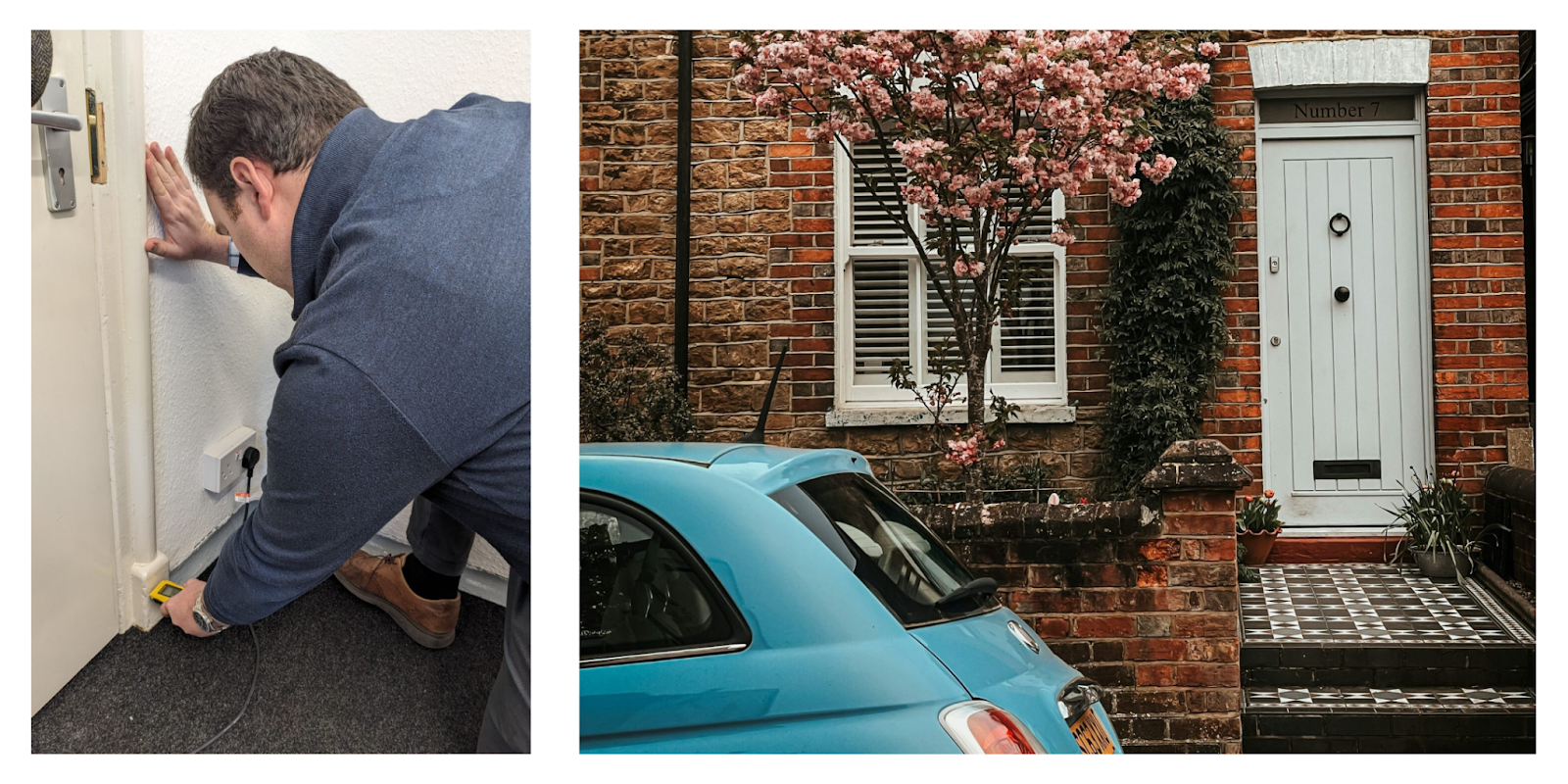
    During a Level 3 building survey or Level 2 homebuyer survey, the surveyor will investigate patterns of staining, use a moisture meter where appropriate and comment on likely causes.

    For a more detailed overview of what is included in each level of service, please see the RICS damp and mould guidance or contact us we will be happy to advise. 

    What Devalues a House in a Survey?

    2. Structural movement and subsidence

    Structural movement is one of the most significant findings from a survey because of the perceived risk, and potential repair costs. During a survey we look for cracking, distortion around openings, uneven floors and bulging walls. Older homes in Guildford, Farnham, Fleet and similar areas can show age related distortion which is often not a concern, but an experienced eye is required to tell the difference.

    Both levels of survey will identify issues we discover and recommend further investigations where required. A Level 3 building survey will explore in greater detail potential causes where possible. 

    3. Roof defects

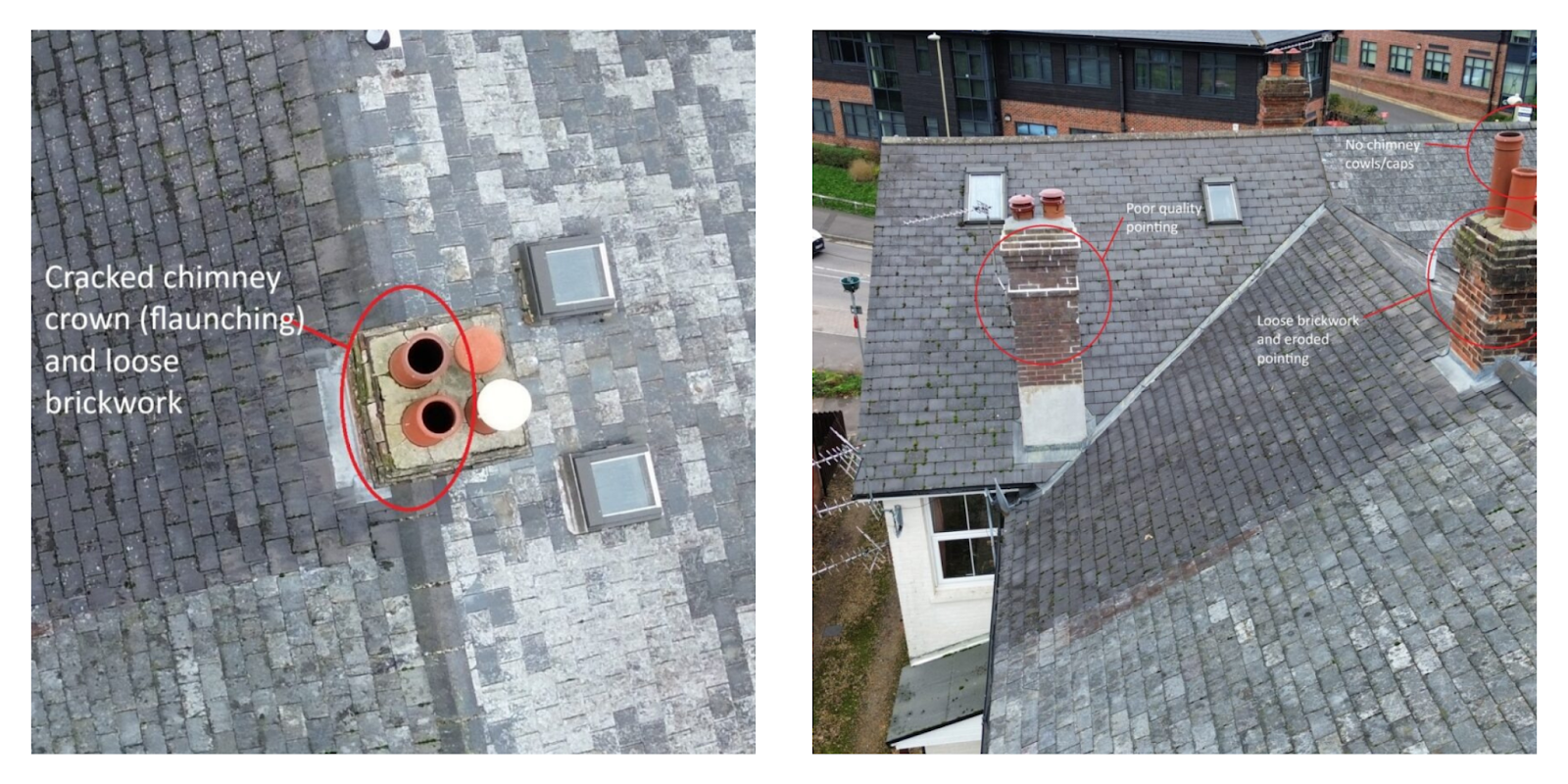
    Roofs are expensive to repair, so roof condition is a very important aspect of a survey. If a new roof is required, this can run into tens of thousands of pounds. 

    A Level 2 homebuyers survey will carry out an inspection of the roof from ground level using binoculars. 

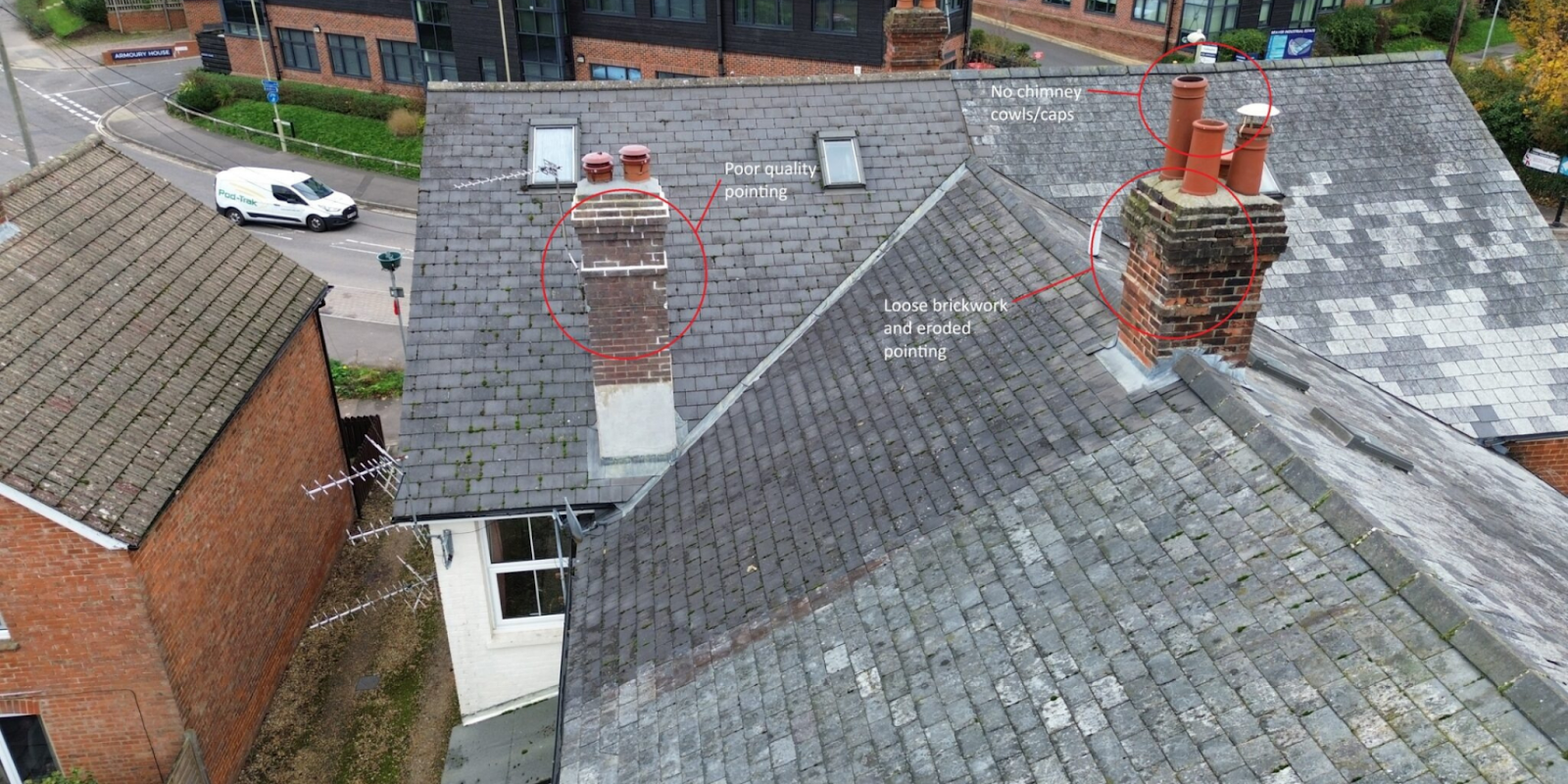
    A Level 3 building survey also includes an inspection of the roof using an aerial camera on a 10 metre telescopic pole, or a drone, which allows us to view hidden areas including flat roofing, and valley gutters.

    Where we suspect a new roof is required, we strongly recommend obtaining quotations from reputable contractors (we can name a few), we can advise on a ballpark cost. 

    4. Unsafe electrics and heating systems

    Surveyors do not undertake full tests on services, but we will highlight if installations appear outdated or unsafe. This may include old fuse boards, damaged sockets or ageing boilers. 

    If the property requires re-wiring, a new heating system, or there are safety concerns relating to gas or oil systems it is important to have this investigated and costed. 

    5. Poor quality or unapproved alterations

    Extensions and loft conversions can add value when done properly. They can lower value when there is no approval, inadequate structural support or visibly poor workmanship. If we suspect poor quality workmanship or unauthorised work we may recommend additional investigation.

    If your property has been altered, it is very important that planning permission, building regulation approval, and where relevant, listed building consent, are in place. Without these permissions, there is no guarantee that work has been carried out to an adequate standard. 

    6. Drainage problems

    Defective drainage can contribute to damp, structural movement and water ingress. 

    Foul drainage: We will lift inspection chamber covers where possible and look for possible issues with pipework where visible, blockage, asbestos, or root growth. Where there is private drainage, a replacement septic tank, or cesspit can be very expensive to replace and you should be aware of this before exchange of contracts.

    Surface water drainage: During a survey we will look for blocked gullies, standing water near walls and saturation at the base of walls.

    For owners of older homes, Historic England’s technical advice is a useful resource.

    What findings in a survey can reduce the value of a house?

    The value of a property can be affected by structural issues, or widespread or expensive repairs. Subsidence, major damp, roof failure and dangerous installations sit near the top of the list. 

    If valuation questions arise, a RICS valuation can provide an independent, market-based view of what the property is worth in its current condition.

    Frequently asked questions

    What are the ‘red flags’ on a house survey?

    Common red flags include damp, structural movement, roof defects, timber decay, drainage problems and unsafe installations.

    What reduces the value of a house?

    Major structural issues, damp, roof failure, poor workmanship, outdated services and widespread disrepair all reduce value.

    Can repairs increase a home’s value after a bad survey?

    Yes. Repairs such as remedying damp, renewing roofing, improving drainage and upgrading electrics can all improve value.


    What Does a Level 3 Survey Cover?

    When you purchase a residential property, an RICS Level 3 Building Survey, previously referred to as a Building Survey, is the most exhaustive RICS survey you can opt for. But what does it entail, what are the specific elements it examines and how long does it take to receive a survey report? In this guide, we aim to answer all of these important questions, exploring in-depth Level 3 surveys and what they involve. Continue reading to learn more.

    The RICS Level 3 Survey: An Overview

    An RICS Level 3 Building Survey is an extensive inspection that provides a meticulous evaluation of a property’s condition. The final report outlines the state of all key elements, identifies defects, their likely origins, the urgency for repair, and may even give a rough figure for repair costs. 

    Conducted by qualified Surveyors governed by the Royal Institution of Chartered Surveyors (RICS), this survey ensures that the advice you receive is from qualified professionals.

    When Do You Need a Level 3 Survey?

    A Level 3 Survey is recommended for;

    • Listed Buildings
    • Older properties, particularly Victorian or pre Victorian
    • Properties of non traditional construction
    • Buildings intended for renovation or modification
    • Properties which have been renovated, extended or significantly altered

    What Does the Survey Include?

    The Level 3 Survey consists of an inspection of the roof, any chimneys, the rainwater fittings, external and internal walls, floors, ceilings, windows and doors, joinery, Bathroom fittings, and grounds and outbuildings to name some of the main parts. Following the survey inspection the surveyor will reflect on their notes and write up a comprehensive survey report. 

    If there are any areas of particular concern, you can to request inclusion of this prior to the survey inspection. 

    Key Aspects Covered in a Level 3 Survey

    A number of essential elements are covered in a Level 3 survey including;

    • Identification of any structural defects with the building
    • Identification of any damp and the likely cause
    • Assessment of alterations and extensions
    • Review whether the building and recent extensions comply with relevant building regulations
    • Examination for presence of hazardous materials such as asbestos
    • Evidence of structural problems like subsidence or settlement
    • A visual assessment of the Electrics, Gas, Heating and Hot Water services. 

    How Long Does a Survey Take?

    An RICS Level 3 Survey inspection can take upwards of two hours to much of the day depending on the size and complexity of the property. 

    Following the survey inspection, your Surveyor will call with a run through of the salient findings during the survey. The surveyor will then begin to write up the report, reflecting on the site notes and photographs. 

    The Final Report

    Once complete, the surveyor will produce a report detailing any identified defects, their potential causes, recommended additional investigations, and indicative repair costs. 

    The RICS Level 3 Survey Report will usually follow within a week of the inspection. 

    Searching for a RICS-Regulated Surveyor?

    Skylark Surveyors, specialise in delivering high-quality RICS Level 2 and Level 3 Surveys. We pride ourselves on undertaking methodical inspections using the latest surveying technologies including thermal imaging, cameras on telescopic poles for roof inspections and endoscope inspections. 

    Clients can communicate with our surveyor before and after the survey to discuss concerns and findings. We produce detailed, bespoke reports written in easy-to-understand language. Our Level 3 reports come with a cost summary outlining expected major repairs. If you’d like to reach out for an initial discussion, call us today on 01252 985888 or email us at mail@skylarksurveyors.com.

    Blog Post Title

    What goes into a blog post? Helpful, industry-specific content that: 1) gives readers a useful takeaway, and 2) shows you’re an industry expert.

    Use your company’s blog posts to opine on current industry topics, humanize your company, and show how your products and services can help people.