


What Devalues a House in a Survey?
Key summary (quick answers)
- Whilst we hope that we do not identify any ‘red flag’ items in your survey, you will wish to know about these items before you purchase the property.
- The biggest issues are usually damp, subsidence, roof problems, timber decay, unsafe electrics and poor quality alterations.
- A detailed Level 3 building survey or a Level 2 homebuyer survey will detail any items which we discover, including those that could influence the value of the property.
- Professional workmanship and good maintenance reduce the risk of significant defects to your property.
At Skylark Surveyors, we carry out both Level 2 homebuyer surveys and Level 3 building surveys across Surrey, Hampshire and Berkshire, so we see first-hand which issues are considered ‘show stoppers’ by buyers and potentially affect the value of the property.
This guide explains which red flags worry buyers the most and how defects can be managed.
Major problems that can arise from a survey
1. Damp and timber decay
Damp is one of the most common red flags on a house survey. It can damage plaster, flooring and timber, and may lead to mould growth and poor indoor air quality.
During a Level 3 building survey or Level 2 homebuyer survey, the surveyor will investigate patterns of staining, use a moisture meter where appropriate and comment on likely causes.
For a more detailed overview of what is included in each level of service, please see the RICS damp and mould guidance or contact us we will be happy to advise.
2. Structural movement and subsidence
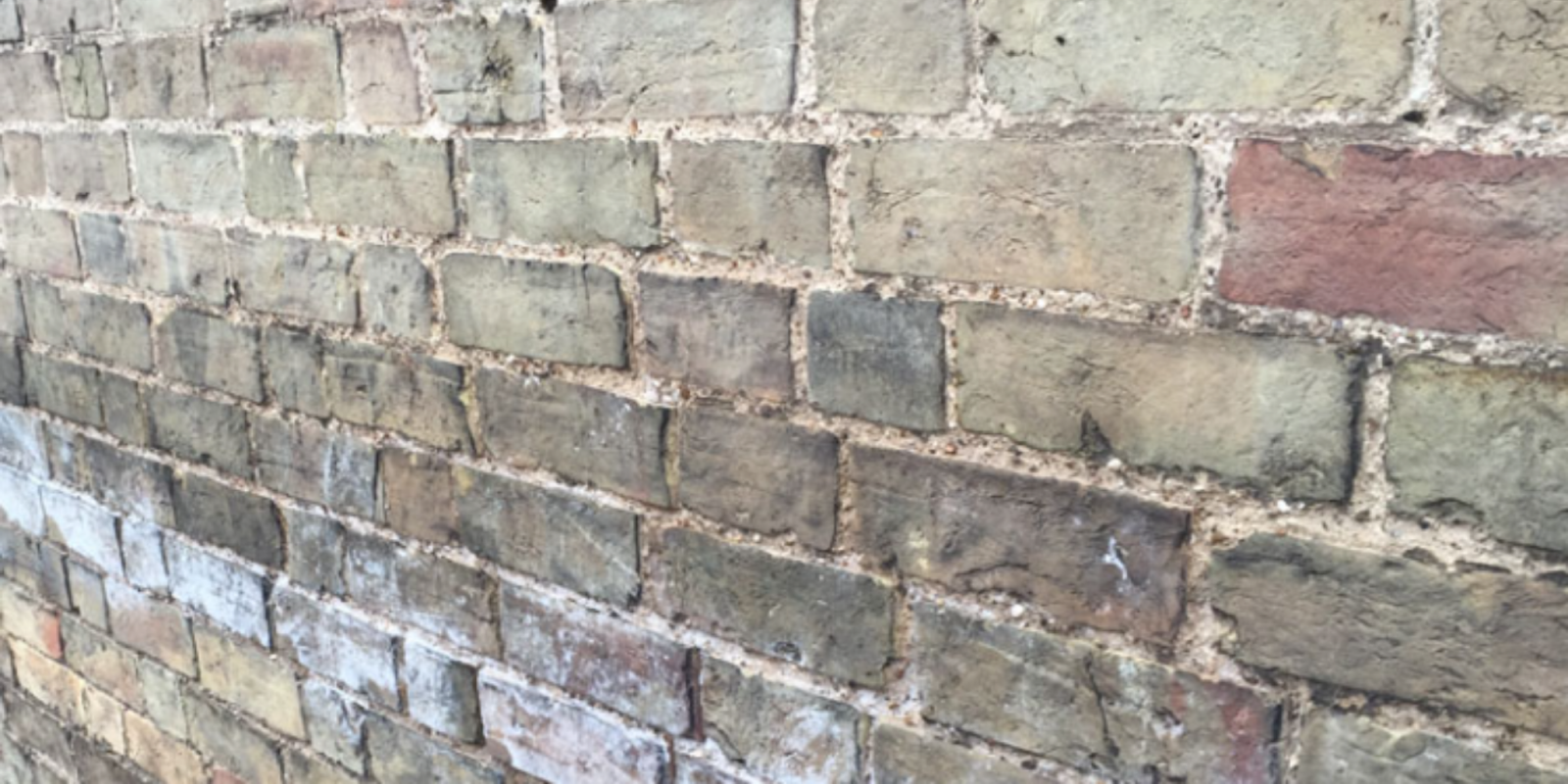
Structural movement is one of the most significant findings from a survey because of the perceived risk, and potential repair costs. During a survey we look for cracking, distortion around openings, uneven floors and bulging walls. Older homes in Guildford, Farnham, Fleet and similar areas can show age related distortion which is often not a concern, but an experienced eye is required to tell the difference.
Both levels of survey will identify issues we discover and recommend further investigations where required. A Level 3 building survey will explore in greater detail potential causes where possible.
3. Roof defects
Roofs are expensive to repair, so roof condition is a very important aspect of a survey. If a new roof is required, this can run into tens of thousands of pounds.
A Level 2 homebuyers survey will carry out an inspection of the roof from ground level using binoculars.
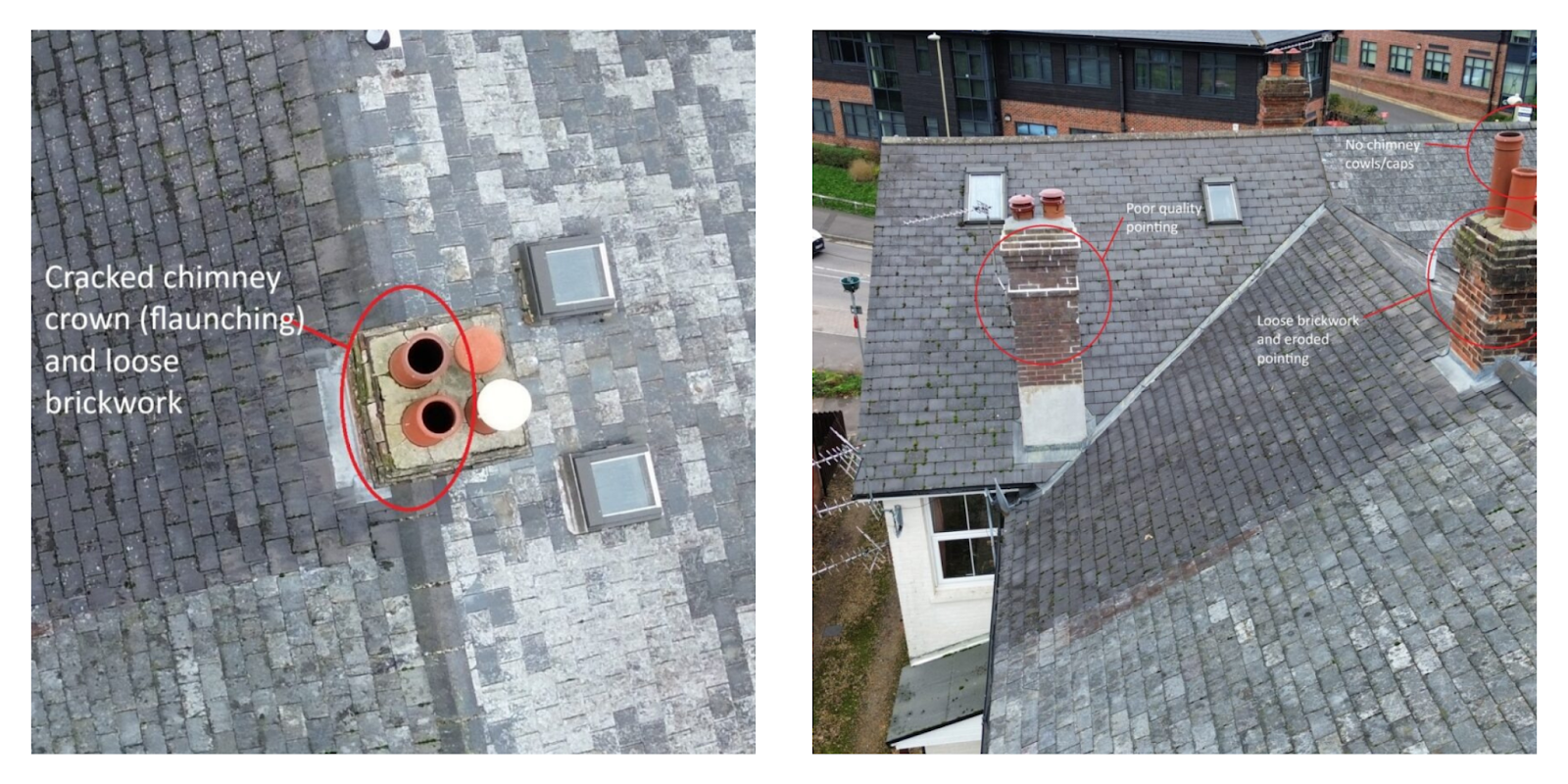
A Level 3 building survey also includes an inspection of the roof using an aerial camera on a 10 metre telescopic pole, or a drone, which allows us to view hidden areas including flat roofing, and valley gutters.
Where we suspect a new roof is required, we strongly recommend obtaining quotations from reputable contractors (we can name a few), we can advise on a ballpark cost.
4. Unsafe electrics and heating systems
Surveyors do not undertake full tests on services, but we will highlight if installations appear outdated or unsafe. This may include old fuse boards, damaged sockets or ageing boilers.
If the property requires re-wiring, a new heating system, or there are safety concerns relating to gas or oil systems it is important to have this investigated and costed.
5. Poor quality or unapproved alterations
Extensions and loft conversions can add value when done properly. They can lower value when there is no approval, inadequate structural support or visibly poor workmanship. If we suspect poor quality workmanship or unauthorised work we may recommend additional investigation.
If your property has been altered, it is very important that planning permission, building regulation approval, and where relevant, listed building consent, are in place. Without these permissions, there is no guarantee that work has been carried out to an adequate standard.
6. Drainage problems
Defective drainage can contribute to damp, structural movement and water ingress.
Foul drainage: We will lift inspection chamber covers where possible and look for possible issues with pipework where visible, blockage, asbestos, or root growth. Where there is private drainage, a replacement septic tank, or cesspit can be very expensive to replace and you should be aware of this before exchange of contracts.
Surface water drainage: During a survey we will look for blocked gullies, standing water near walls and saturation at the base of walls.
For owners of older homes, Historic England’s technical advice is a useful resource.
What findings in a survey can reduce the value of a house?
The value of a property can be affected by structural issues, or widespread or expensive repairs. Subsidence, major damp, roof failure and dangerous installations sit near the top of the list.
If valuation questions arise, a RICS valuation can provide an independent, market-based view of what the property is worth in its current condition.
Frequently asked questions
What are the ‘red flags’ on a house survey?
Common red flags include damp, structural movement, roof defects, timber decay, drainage problems and unsafe installations.
What reduces the value of a house?
Major structural issues, damp, roof failure, poor workmanship, outdated services and widespread disrepair all reduce value.
Can repairs increase a home’s value after a bad survey?
Yes. Repairs such as remedying damp, renewing roofing, improving drainage and upgrading electrics can all improve value.